- Home
- Various Articles - Tertiary Education
- EFL Students' Perceptions toward the Use of ChatGPT as Writing Assistance
EFL Students' Perceptions toward the Use of ChatGPT as Writing Assistance
Tran Thi Thanh Mai, an EFL lecturer at Van Lang University and a visiting reviewer for Journal of TESOL and Education, has been teaching English for more than fifteen years. As an EFL lecturer and a material writer, she has published extensively on various EFL issues both nationally and internationally. Her current professional interests include techniques and approaches in teaching English skills and language units, literature learning and play activities. Email: mai.ttt@vlu.edu.vn
Vo Tran Quynh Thy, a graduate from Van Lang University, is currently a visiting teacher at Foreign Language Center in Ho Chi Minh city, with her great interest in AI application in EFL teaching. Email: thy.207na14655@vanlanguni.vn
Abstract
Much research has studied about the application of ChatGPT to language learning in educational settings all over the world, but few studies have been done in the context of Vietnam and in one particular skill of English, writing. Thus, the prominent goals of this paper are to explore EFL students' thoughts on the use of ChatGPT as a writing assistant toward writing ability, to explore some problems that the participants encountered as well as to propose some potential solutions to make good use of it. 50 seniors majoring in English at Van Lang University contribute to the paper as samples with the online questionnaire and an interview which are served as quantitative and qualitative data. Based on the findings, ChatGPT has a positive impact on EFL students at Van Lang University who acknowledge ChatGPT is an aid to their writing despite its limitations.
Introduction
English is the global language because it is used in a variety of areas (Ariani & Arham, 2020; Phan et al., 2022; Tikupasang et al., 2022). It is also the most common language taught in Vietnam. Of all language skills, writing is often considered as the most difficult ability (Sulistyo et al., 2019). As a productive language skill, EFL learners have to produce or apply their writing into practice (Christensen et al., 2004; Nugroho & Rahmawati, 2020). It is usually said that they can enhance their writing ability through daily activities. Social media posts are often seen to be produced in English. Diary is another method that the learners enhance their writing proficiency. Checking carefully what they produce is the important part before posting or writing down by looking up an appropriate word, for example. It has been technology that assists EFL learners with their writing, especially artificial intelligence (AI).
The advance of technology has invented a lot of digital writing assistants such as Grammarly, Quillbot, and so on. Fitria et al. (2022) and Apriyani (2022) studied how useful some writing tools were to support the students with their thesis. As far as their findings are concerned, despite the mostly similar functions, these AI writing assistants have been combined for various purposes. To be specific, Grammarly is used to rectify grammar rules, word choice, and sentence structure mistakes. Learners also utilize Quillbot premium to help them paraphrase and scientifically improve their words (e.g. Apriyani, 2022; Fairooz et al., 2023; Apriyani, 2022; Mondal et al., 2023; etc.). Furthermore, Google sponsored proofreading is productive in their grammatical problems (Apriyani, 2022). Likewise, Bard is utilized to generate creative content, informative essays, translation, and coded programs (Fairooz et al., 2023).
The role of these helpers is undeniable. In the Industrial Revolution 4.0, rapid development of technology attributed to ChatGPT’s appearance which has become one of the most used and advanced with outstanding features. It could be considered as a combination of other characteristics of previously introduced writing assistants. Because of its potential applications to varied fields, ChatGPT has been put into education in the past one year. Specifically, much research was carried out to examine the role of ChatGPT in teaching and learning English generally (Firat, 2023; Limna et al., 2023; Rasul et al., 2023). The commonly mentioned point among the research is how beneficial or adverse ChatGPT is for writing ability. Harunasari (2022) indicated the integration of ChatGPT in EFL writing was effective. Ali et al. (2023) concluded English students positively perceived ChatGPT as a motivational tool for learning English, especially reading and writing skills.
ChatGPT recently has been initiated with the students by teachers of the Faculty of Foreign Languages of VLU. The writer had a chance to experience an AI-based assignment under the teacher’s supervision in the Techniques in Interpretation course. With the support of ChatGPT, homework assigned to the students can be much more timesaving so that teachers can focus on high-order tasks. Additionally, the teachers encourage students to use ChatGPT for their study. In reality, the final-year English majors have to prepare papers for their final projects and exams. It takes a lot of time to do all the subjects effectively in a certain amount of time. Students, thus, look for the answers from ChatGPT to serve their study in general and their writing in particular. Besides, the teachers’ aim is to utilize ChatGPT, not make use of it.
Both advantages and disadvantages were shown in previous articles of using ChatGPT to upgrade writing ability. Yet, a few studies on this subject were carried out in Vietnam. For that reason, this research focuses on the number of participants whose major is English through a survey at Van Lang University. This paper is, therefore, conducted to explore students’ perspectives towards the use of ChatGPT in improving their writing ability, what problems they faced and what practices they have to make their writing ability better through ChatGPT.
The study is conducted with two main objectives: (1) to learn about EFL students’ perceptions on using ChatGPT as writing assistance and (2) to explore students’ problems and propose some potential solutions for students to use ChatGPT effectively in their writing. To obtain the above purposes, the study addresses the following research questions:
Research question 1: What are the students’ perceptions towards the use of ChatGPT as a writing assistant?
Research question 2: What can be done to assist students' writing ability thanks to ChatGPT?
Literature review
Theoretical framework
Writing, even before technology development, was made manually. Every single step in the writing process is done without any outside support, but the quality of both form and content must be verified. Since the development of technology, particularly ChatGPT, it has achieved the goal of dealing with the tasks which do not need too much of the writer’s effort. Because ChatGPT automatically provides and changes the answers based on the input, the writer can adjust the prompt to gain the most appropriate response. It’s important to notice that ChatGPT is not able to replace the writer. The supplement of ChatGPT in assisting their writing will reflect on their outcome. This study builds on the IDEE framework by Su and Yang (2023) which allows the application of ChatGPT in educational settings, specifically the use of ChatGPT as a writing assistant. According to the authors, the theoretical framework consists of the four steps: identifying the desired outcomes, determining the appropriate level of automation, ensuring ethical considerations, and evaluating effectiveness (Su & Yang, 2023).
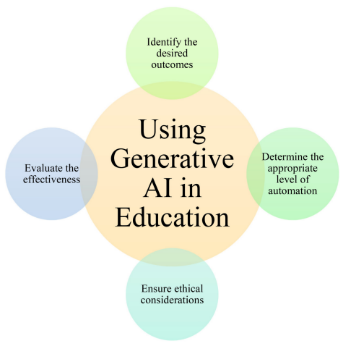
Figure 2.1. Theoretical framework for using AI in education
Baidoo-Anu and Ansah (2023) showed the characteristics of ChatGPT by asking the model directly. Through the detailed answer of ChatGPT itself, it can form human-like works and solve the problems on a variety of topics based on extensive training in a wide range of textual sources. With the intention of humanizing answers, ChatGPT learns from the data to create responses similar to what it’s trained for. In order to provide suitable replies to the users’ input, ChatGPT targets its keywords, then applies the pre-trained knowledge.
The quality of ChatGPT’s output has continuously been improved by supervised fine-tuning (Baidoo-Anu & Ansah, 2023) and reinforcement learning (Atlas, 2023). The technique of training the pre-trained model for a specific task is called supervised fine-tuning (Baidoo-Anu & Ansah, 2023). For example, response generation of ChatGPT has been improved for responding to question or dialogue generation tasks (Baidoo-Anu & Ansah, 2023). By supervising fine-tuning, ChatGPT is able to text in multiple languages (Baidoo-Anu & Ansah, 2023). Another worth-mentioned aspect in the study of Atlas (2023) is ChatGPT’s ability to understand natural language such as idioms and cultural references has been enhanced, allowing it to process the input more effectively. This makes the model superior to other AI technologies.
On the other hand, reinforcement learning is a machine learning technique where the model tries to produce the satisfactory outcome to the users by noticing the difference in the cues and results, then responding accordingly to fulfill their requirements (Atlas, 2023). This causes a different kind of personal experience for each individual being dependent on the effectiveness of the assigned task (Atlas, 2023).
ChatGPT has recently received attention in Vietnam due to its dominant features. Having a large amount of information and human-like text generation makes ChatGPT a valuable writing assistant. The role of ChatGPT in completing the writing process is highlighted by Imran and Almusharraf (2023). Utilizing ChatGPT may offer great support for written work from brainstorming ideas to final proofreading and editing, according to the authors. This is in line with Kasneci et al. (2023) saying ChatGPT can supply students with summaries and outlines of texts so that they are able to grasp the key points and organize their thoughts for writing.
While creating a written work, there’s no doubt that ChatGPT genuinely identifies and eliminates linguistic errors. Similar to Grammarly and QuillBot, Imran and Almusharraf (2023) claimed that ChatGPT can check grammar, suggest appropriate vocabulary and structure, which contributes to the style and tone of the writing. If the writers want to grade their work, ChatGPT will assess their performance and give them feedback immediately (Baidoo-Anu & Owusu Ansah, 2023). These steps made by ChatGPT are convenient and effective not only in terms of time and effort but accuracy and quality as well. It is indicated by Liu (2023), who reports that the reading and writing abilities of the students have improved thanks to ChatGPT. Through interactive conversations between humans and technology, learners actively absorb and adjust the knowledge, which fosters learning interest and motivation (Yu, 2023).
The usefulness of ChatGPT assists not only individual tasks but also collaborative writing activities (Kasneci et al., 2023). Beside the above-mentioned functions, the authors presented the integrative co-writing feature that promotes peer participation. In the study, they introduced research questions that can be extended corresponding to the topic. Then the question is automatically distributed to the members.
One of the problems is the loss of integrity in academia and career. Students make use of the ability to reply to the questions to have their assignments and exams finished, resulting in an increase in cheating behavior. Yu (2023) also put an emphasis on students getting high grades by using the model to do writing tasks. It is noteworthy to emphasize when a written work made by ChatGPT is evaluated similarly to a student-generated work, leading to a struggle faced by the teachers to determine whether students are using the tool. It is so powerful that a number of universities or even some countries have banned the use of ChatGPT (Abd Rahim et al., 2023; Yu, 2023). In an effort to address the issue, teachers should use plagiarism detectors to scan the originality of students’ work (Kasneci et al., 2023). Another possible solution is that the tasks assigned should require critical thinking or creativity (Kasneci et al., 2023), which should be one of the criteria in the assessment to categorize the ability of students.
Moreover, there are instances of ChatGPT being used for writing motivation and cover letters. It is reported that applicants’ writing ability is lower than the tool’s (Nuzula & Amri, 2023). It raises the worry of some people about the substitution of ChatGPT for their position. Therefore, students must equip themselves with a variety of skills more than what ChatGPT can do, and never stop developing themselves to gain a competitive advantage in the job market (Yu, 2023).
The overreliance on ChatGPT of students and teachers has been pointed out in several studies. Students' ability to think critically and solve problems will be negatively affected by ChatGPT's fast-produced solutions (Kasneci et al., 2023). The authors illustrated there is no uniqueness in the answers for the reason of the patterns the model has seen in the data it was trained on. This causes similarity and simplicity in the results with no humans’ creativity. An alike issue is also shared in the study that happens to teachers who depend on ChatGPT for their research and writing as well as their lesson plan. McGee (2023) announced the high percentage of students who take advantage of ChatGPT for their writing tasks. It is therefore important to realize the model is utilized to facilitate learning and teaching rather than expect to be a content creator (Harunasari, 2022; Atlas, 2023).
A number of researchers (e.g. Baidoo-Anu & Ansah, 2023; Limna et al., 2023; Wu, Duan & Ni, 2023; etc.) have expressed their concern over bias in training data. The bias in ChatGPT’s output happens when the training data contain biases (Baidoo-Anu & Ansah, 2023). For instance, assuming that the model is trained on data that is biased towards certain groups of people, the results are produced unfairly (Baidoo-Anu & Ansah, 2023). The inaccurate-generated information will affect the quality of the task if it is not checked carefully. Hence, the problem needs addressing subjectively and objectively. On the subjective side, the information should be critically evaluated before it is collected (Limna et al., 2023). On the other hand, the training database should be constantly supervised and kept updated, which is recommended in the study.
In addition, ChatGPT users are able to confront the risk of privacy and data leakage. Wu, Duan and Ni (2023) reasoned that four factors causing privacy and data issues include public data exploitation by the agent collecting and using personal information for certain purposes; personal input exploitation enabling to be inferred from data that ChatGPT has recorded, unless we directly delete it; emerging new privacy attacks on large language models, mostly input attacks; a lack of transparency of policy with no responsibility mentioned in case the data is leaked accidentally or could be shared with potentially unreliable partners.
As far as writing ability is concerned, it has been confirmed as a challenge to be mastered in both source and target language (Weigle, 2002). The author indicated it is more difficult to write and compose an own writing in target language rather than write down what someone else says. However, writing is a contributor for people to gain success in academia. For example, studies discussing a growing educational trend have been produced in domestic and international journals, or thesis publication is a necessity to move to a higher level of education. Additionally, writing is more crucial since it is a means of communication not only with others but also with themselves. By writing, people express their personalities. Take a look at social media platforms as a typical example. They are ideal for users to write about their thoughts, feelings and opinions, which is a way to share personal experiences with everybody else and keep memories for themselves.
Each account displays a disparate style and content through their writing, making followers classify who is a good fit. More importantly, writing develops thinking skills. It is encouraged for students to list your ideas then link your thoughts, which helps adjust what’s missing and arrange the logical order (Moumene & Hamadouche, 2010). Writing plays a significant role because it’s used widely in the workplace. Brandt (2005) demonstrated that a lot of professions need written communication which is done in a variety of genres including e-mails, memos, proposals, marketing plans and so on. In summary, writing enhances showing oneself and thinking process in academic and personal and business circles (Mohammad & Hazarika, 2016), regardless of the fields. Writing is demanding but vital. In fact, formal situations where people are in need of evidence require texts rather than speech.
When allocated a topic, googling is an option that students prefer to brainstorming (Boonpattanaporn, 2007). It is the major reason why students’ creativity and critical thinking is more likely to be lowered. Seeing the Internet as an available source of information, they cannot provide their own words, which prevents them from authenticity. Instead of selecting ideas from other sources, brainstorming should be a priority which is beneficial for students’ mindset as well as their writing. Getting used to idea generation helps them adapt whenever approaching a topic. English competence is the frequently mentioned barrier when students learn a foreign language. Specifically, grammar and vocabulary are mainly introduced in some studies by Apriyani (2022), Boonpattanaporn (2007), Budjalemba and Listyani (2020). In the matter of vocabulary, repetition errors reveal students have limited words. This is partially due to the unfamiliar topic that they do not know enough terms to convey their ideas, leading to the obstacle of finding the appropriate word. Another contributor may originate in the misunderstanding of how synonyms are used. In fact, pairs of words have close meanings but cannot be used interchangeably such as further and farther. Likewise, Vietnamese students learn grammar separately from the context of writing. Thus, they are less likely to use a variety of grammatical structures, which infers they are not flexible in modifying ideas. Students have difficulty using grammar coming from first language interference. They intend to write in their first language, then translate into English, which sounds unnatural or causes misinterpretation even though they convey their ideas effectively in their mother tongue (Boonpattanaporn, 2007; Budjalemba & Listyani, 2020). Besides, other aspects are issues consisting of verb tenses, punctuation and spelling. Using paraphrasing tools is an alternative to deal with the challenges (Budjalemba & Listyani, 2020). Still, the results appear mechanical, and students’ reliance will not help them learn any grammatical features.
Previous studies
Some existing research has been found with the aim of investigating international students’ opinions towards developing English learning through the assistance of ChatGPT. In the study titled “Chinese University Students’ Attitudes and Perceptions in Learning English Using ChatGPT”, Liu (2023) performed a study with 109 undergraduate Chinese students who filled in an online questionnaire. The author learned about their perspectives on the use of ChatGPT to improve their English learning and how they perceived the benefits and drawbacks of ChatGPT. The survey’s findings revealed ChatGPT facilitated the quality of students’ learning with the purpose of increasing their motivation. Furthermore, the participants were slightly leaning towards using it for developing reading and writing abilities, rather than communication skills. Although there were issues of ChatGPT related to plagiarism, information security, and incorrect information, they didn’t deny its effectiveness in learning English.
Regarding the research named “Students’ perception on the use of ChatGPT as a language learning tool” in Malaysia by Abd Rahim et al. (2023), the study’s goal was to explore students’ attitudes of utilizing ChatGPT as a language learning tool. This quantitative survey was conducted on 181 students from various faculties and campuses in Universiti Teknologi MARA. The findings demonstrated that the majority of participants agreed that the integration of ChatGPT in education had a positive effect on their writing ability. Notably, while some of them thought that ChatGPT did not support their learning experience, their writing ability had been promoted.
Firat (2023) discovered ChatGPT’s effectiveness in educational settings in the study “What ChatGPT means for universities: Perceptions of scholars and students”. A sample of 21 participants from Turkey, Sweden, Canada and Australia took an online survey. The researcher used thematic content analysis to collect the data. The study’s findings showed that the tool enhanced personalized learning experiences and contributed significantly to the educational systems in terms of students’ needs and distance. Therefore, the tool helped remove language barriers such as shyness and hesitation so that the learning process could take place naturally. Besides the enormous advantages, some ethical considerations regarding privacy and access issues were inconsiderable.
Monika and Suganthan (2024) shared the same notion of overall English proficiency of students improving with the employment of ChatGPT. Participants were 526 ESL Engineering students taking part in English language classes at varied educational institutions in Vellore District. They took an online survey, and the researchers collected data using both qualitative and quantitative analyses. The study’s findings exposed more specifically the effectiveness of ChatGPT in enhancing comprehension of English texts, involvement in English language lessons, academic performance in English, and writing ability, thereby other learners were recommended to continue using the tool in the future. Different from other research, learning experience, language challenges, and motivation improvement remained neutral.
Earlier studies have been done to examine students’ thoughts of the aid of ChatGPT in English learning. The majority of them admitted to having optimistic views on ChatGPT’s help with learning motivation and experiences, overall English competence but bias towards reading and writing. With great potentials, ChatGPT is considered to be a valuable learning model in spite of some ethical problems related to privacy and access concerns. Furthermore, these studies have not explored the impacts of ChatGPT on a certain language ability, nor were the participants not English-major because they may have a different point of view on the potential of ChatGPT. Based on the description above, this study builds on the IDEE framework by Su and Yang (2023) to survey English major seniors of Van Lang University towards the utilization of ChatGPT as a writing assistant.
Research method
To fulfill the main goals of this study, a mix of quantitative and qualitative methods was used in the study. A mixed-method technique was used to optimize the strengths of each approach and compensate for its own weaknesses (Spratt et al., 2004). Served as research instruments, questionnaire and interview were conducted online to gather data with the participation of 50 senior English majors. Likewise, 10 of them were invited randomly to get involved in an interview through MS Teams.
The main target of this study is to find out the perceptions of last-year English majors towards the use of ChatGPT as a writing assistant. Therefore, fifty VLU senior English majors who underwent more and more final projects and handwriting essays were randomly chosen to be the research participants. Particularly, 11 males and 39 females participated in the questionnaire survey, and 10 out of these students were willing to get involved in the online interview. Their ages range from 21 to 22 years old regardless of gender. Before taking part in this study, the sample had taken the 5 advanced writing courses as compulsories of the curriculum which provided them with fundamental knowledge of how to write academic paragraphs and essays; consequently, their writing skills are expected to be intermediate and upper intermediate.
To collect the data, questionnaire and interview were served as research instruments. The researcher used Google Form to design the questionnaire which was divided into four sections. The first section had 3 questions about demographic information such as name and gender. The second section explored the familiarity of the participants with ChatGPT and what they frequently used ChatGPT for. The third section consisted of 10 questions using the five-point Likert scale (1 = Strongly Disagree; 2 = Disagree; 3 = Neither agree nor disagree; 4 = Agree; 5 = Strongly Agree) to study the participants’ perspectives on the effectiveness of ChatGPT towards facilitating their writing ability. Meanwhile, the fourth one referred to their viewpoints on the drawbacks of ChatGPT affecting their writing ability. The interviews were conducted on Microsoft Teams. 10 participants were invited to interview based on their ChatGPT use frequency. Each participant was informed that the interviews were recorded and lasted 5 to 10 minutes. They preferred using Vietnamese to fully describe their experiences, feelings, and opinions towards using ChatGPT as writing assistance. Vietnamese answers were translated into English during the process of data analysis. All responses were considered and categorized carefully to show interview extracts presented with explanations. Below are the two questions during the interview:
Interview question 1: Are there any problems when you use ChatGPT as a writing assistant? If yes, what are the problems? If no, how do you make good use of it?
Interview question 2: To use ChatGPT as a writing assistant more effectively, what should you do?
The researcher employed Cronbach's Alpha and Exploratory Factor Analysis (EFA), which included KMO and Bartlett's Test, to assess the reliability and suitability of the data obtained via the online questionnaire. Table 3.1 shows that the questionnaire's Cronbach's Alpha score is 0.879 that is acceptable because values fell between 0.6 to 1, which strongly indicated the questionnaire items were trustworthy. In Table 3.2, the KMO value is .662 (>0.5) meaning there was a connection among the variables. The significant level of Bartlett’s test is .000 (<0.05) meaning the variables were correlated. Given the two values, the questionnaire data is valid for the research.
Findings and discussion
The findings were divided into two key parts including the effectiveness and drawbacks of ChatGPT toward writing ability in the view of students. The researcher employed SPSS 26 to make the data reliable with exact numbers and percentages (%).
Research question 1: “What are the students’ perceptions towards the use of ChatGPT as a writing assistant?”
Figure 4.1 summarized the frequency and the period of time that students use ChatGPT to support their writing. A slight difference between students who occasionally and frequently had ChatGPT assist their writing was only 2%, with 34% and 32% respectively. In addition, 20% of students rarely approached ChatGPT for their writing. Meanwhile, a very small number of students (8%) always used the tool as a writing assistant, and only 6% of them never asked for ChatGPT’s help.
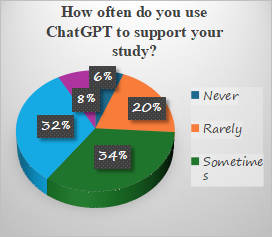
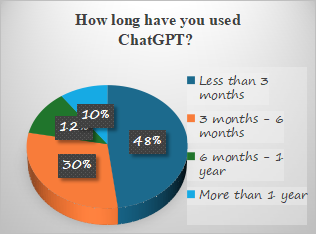
Figure 4.1. Students’ familiarity with ChatGPT
Regarding the duration of taking ChatGPT as writing assistance, the percentage of the students having used ChatGPT for less than 3 months was the highest (48%), while 30% of them had used ChatGPT for 3 to 6 months. According to the data, 12% of the students spent 6 months for 1 year on ChatGPT. Students who contributed more than a year on ChatGPT accounted for a low proportion (10%). Table 4.1 showed the objectives of students toward the use of ChatGPT as follow
Table 4.1. The purposes of students using ChatGPT (SPSS 26)
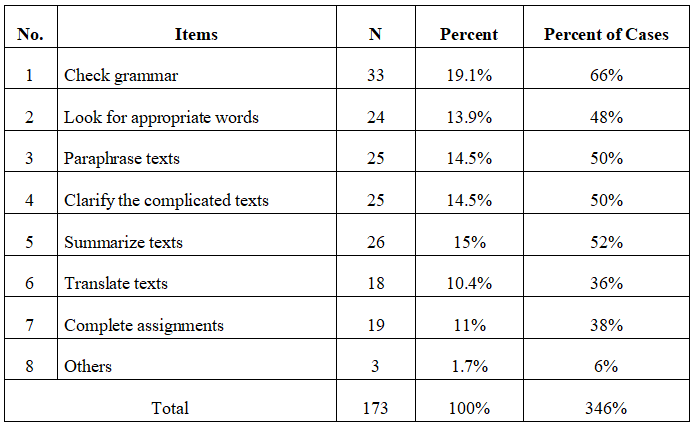
The table revealed that ChatGPT was used for checking grammar, taking up the highest percentage with 66% of the students. 52% of the students used ChatGPT for summary, whereas paraphrasing and clarifying the complicated texts consisted of half of the students (50%). It could be seen from the table that 48% of the students employed ChatGPT to look for suitable vocabulary. There were two other purposes of making use of ChatGPT, such as translation and assignments, with a small gap accounting for 36% and 38% respectively. Only one student searched for information on ChatGPT (2%), which was similar to other goals including content recommendation before presentation, research purposes.
Table 4.2. Students' perspectives on the effectiveness of ChatGPT
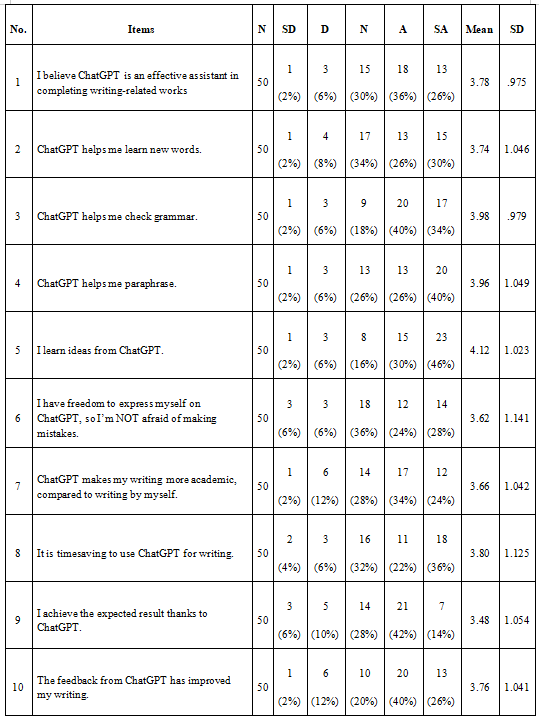
(SD = Strongly Disagree; D = Disagree; N = Neutral; A = Agree; SA = Strongly Agree)
It was noteworthy that the mean scores fell within the high assessment range on the effectiveness of using ChatGPT as a writing assistant (3.48-4.12). One advantage of ChatGPT that a large majority of students (76%) agreed with was that it suggested ideas so that students could learn from. 62% of the students felt that their writing generally was effective with the assistance of ChatGPT (M=3.78).
In terms of surface errors, the findings indicated that ChatGPT had a positive impact on their writing. 56% of the students believed that ChatGPT could provide new vocabulary for students’ writing, which made lexical resources flexible (M=3.74). Most students (74%) asked for ChatGPT’s help with grammar check (M=3.98). Additionally, they dealt with paraphrasing with the support of ChatGPT, reported by 66% of the students (M=3.96). Then, it revealed that slightly over a half of the students (52%) showed they didn’t feel shy about making mistakes when they used ChatGPT (M=3.62).
Besides, the percentage of students’ perspective on the outcomes accomplished with the assistance of ChatGPT was quite high. Particularly, 58% of the students realized that writing assisted by ChatGPT was more academic than the students wrote themselves and found it timesaving writing with the support of ChatGPT. Meanwhile, 56% supported their desired results that could be obtained with the aid of ChatGPT. Eventually, ChatGPT feedback was helpful for students’ writing. Particularly, 66% of them demonstrated their mistakes had been corrected regarding surface errors and ideas.
Table 4.3. Students' perspectives on the drawbacks of ChatGPT
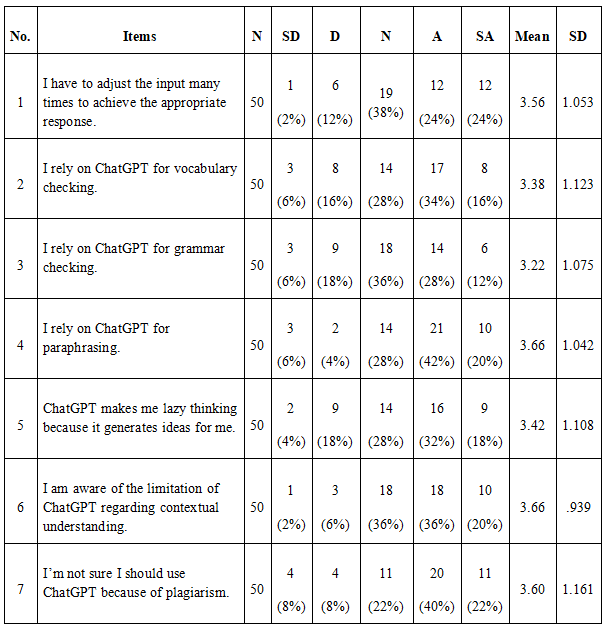
(SD = Strongly Disagree; D = Disagree; N = Neutral; A = Agree; SA = Strongly Agree)
The students had a neutral view on the drawbacks of utilizing ChatGPT writing assistance (3.22-3.66). Two most common problems with more than half of students (62%) encountered were their reliance on ChatGPT for paraphrasing and the possibility of plagiarism by using ChatGPT (M=3.60). According to the table, 48% of students, slightly less than a half, struggled with input multiple times to earn satisfactory outcomes. With a mean score of 3.22 and 3.28, students admitted their dependence on ChatGPT for grammar and vocabulary checking. Furthermore, half of the students (50%) acknowledged the fact that they became demotivated in brainstorming due to ideas generated by ChatGPT (M=3.42). Noticeably, 56% (M=3.66) reported that ChatGPT lacked understanding of context.
Research question 2: “What can be done to assist students' writing ability thanks to ChatGPT?”
For the research question 2: “What can be done to assist students' writing ability thanks to ChatGPT?”, the researcher used only qualitative method to explore more the interviewees’ problems when using ChatGPT as a writing assistant as well as have some suggestions proposed by them.
Interview question 1: “Are there any problems when you use ChatGPT as a writing assistant? If yes, what are the problems? If no, how do you make good use of it?”
When asked about the problems of using ChatGPT to assist writing, the interviewees faced numerous situations comprising (1) poor information quality, (2) mechanism, (3) advanced language, (4) ideas generalization, and (5) lack of contextual understanding. To be specific, ChatGPT didn’t deliver reliable and accurate information. Also, ChatGPT’s suggested writing was mechanical in diverse aspects such as vocabulary, ideas, organization, writing style and tone. Then, the level of ChatGPT writing was beyond the students' English competence. Next, the students found ChatGPT composed general ideas. Lastly, ChatGPT failed to convey information related to the context given. On the contrary, the students made good use of ChatGPT for writing feedback. It focused on surface errors and ideas correction, thereby they could reach expected results.
Poor information quality
Seven interviewees stated that the data produced by ChatGPT was unreliable and inaccurate. As for references, most of the seven students said that the improper citations were what they most received including the incompatibility between in-text citations and the references, whereas one of them mentioned that ChatGPT even didn’t give them references. Concerning erroneous information, the two students reported that ChatGPT was biased and not updated regularly, thereby generated pieces of information with low accuracy and reliability.
Mechanism
ChatGPT's generated text would be mechanical in terms of vocabulary, ideas, organization, writing style and tone, discussed by five students. Three of them, therefore, added the intervention of ChatGPT would be more easily recognized. They pointed out that ChatGPT didn't have the ability to choose words suitable for the context given, and the data ChatGPT trained for made the tool's writing disorganized.
Advanced language
Four interviewees revealed ChatGPT's language surpassed the level of the students regarding vocabulary, grammar, and structure. They found it extremely difficult to understand ChatGPT's word choice. The situations of ChatGPT that the students faced consisted of changing the whole new word, building a harder lexical resource which was opposite to the writer's expectation. So, they used another tool to comprehend ChatGPT's language and paraphrased it in order not to be advanced.
Ideas generalization
Illustrated by six students, ChatGPT was expected to clarify the ideas that it generated rather than make an outline. They explained that the main ideas produced as a list without instances or elaborations. Also, half of the students demonstrated detailed instructions were the way to require ChatGPT to develop its ideas.
Lack of ccontextual understanding
Four students clarified ChatGPT's inadequacy of the ability to comprehend information within the relevant environment by four main points. First, the tool would have the text fixed based on how it understood. Second, ChatGPT could not express feelings as humans did. Another point was that the data of ChatGPT was up to the number of accesses of the information, so ChatGPT didn't grasp the culture and customs of each nation. Last but not least, ChatGPT gave answers based on the keywords of the input, so it was possible to forget the relevant context.
On the other hand, students made good use of ChatGPT in terms of giving comments on students' writing, resulting in their satisfaction after receiving feedback. Eight interviewees had ChatGPT as a reviewer since the tool could rectify the mistakes such as spelling, grammar, structure and punctuation. Regarding comments on ideas, the students disclosed that ChatGPT was able to suggest valuable ideas for improvements and rephrase their original ideas into terms with the unchanged meaning. Besides, the tool could determine if the ideas were logical or connected to the topic. The students were well served with an angle of ChatGPT to direct their writing. On the other hand, one student informed that ChatGPT's feedback enhanced short paragraphs rather than longer sections.
As far as the usefulness of this writing assistant was concerned, four students’ final products got better results after embracing ChatGPT’s feedback into their writing, which was shown through their grades in some assignments and courses such as essays, lesson plans, research, and e-mails, according to the interviewees. Only one student insisted on not successfully getting the desired results for the reason of the shortage of faith in ChatGPT and the use of various tools, causing poor coherence and cohesion.
Interview question 2: “To use ChatGPT as a writing assistant more effectively, what should you do?”
When asked about how to gain profit for their writing from employing ChatGPT, the participants proposed a remarkable number of solutions, namely fact verification, detailed input, the integration of ChatGPT and humans' ideas, as well as keywords found by ChatGPT and the combination of paraphrasing tools and anti-plagiarism detectors. Firstly, the authenticity of information was critical to certify. Secondly, ChatGPT would give specific answers following the students' instructions. Thirdly, the students considered ChatGPT's ideas and viewpoints to guide their writing. Lastly, the students utilized ChatGPT to find keywords and incorporated paraphrasing tools and plagiarism checkers, which decreased the proportion of plagiarism.
Fact verification
Since the information provided by ChatGPT was not always precise and trustworthy, seven students preferred double checking. They confirmed the information by examining the references of ChatGPT on the Internet. Interestingly, one of them paid attention to the bottom line at the bottom of the page where not many people could see easily. It reminded people to check information consistently as warned by the organization founded ChatGPT.
Detailed input
Six students recommended editing input followed their requirements. The students specified what should be included in their prompts to make the answer qualified, such as the length of the text, the level of vocabulary, which grammar, structure and writing style they would like to use. Moreover, one student revealed the tip of using the quotation marks between the text would have ChatGPT give feedback more effectively.
The integration of ChatGPT and humans’ ideas
There were five students with different strategies to combine ChatGPT and their ideas. The most common way was the students carefully selected and rewrote the suggested ideas. By reading thoroughly, they knew whether their ideas were off-topic or not. Moreover, the combination of ChatGPT's ideas with theirs reduced the possibility of plagiarism. One student cited the tip of uploading their paragraphs and asking ChatGPT to suggest the next ideas in case they stuck for the ideas. Before asking for ChatGPT's help, the students exposed that they tried to create their own ideas so as not to depend on the tool at the beginning.
Half of the students chose to mix their ideas with ChatGPT's, whereas other three students classified ChatGPT as reference to navigate their direction. In particular, they generated their own writing, then presented their point of view based on which ChatGPT argued against the ideas.
Keywords found by ChatGPT and the combination of paraphrasing tools and anti-plagiarism detectors
According to four students' introduction, the integration paraphrasing with anti-plagiarism tools diminished the chances of plagiarism. Two of them reported that the text was in need of paraphrasing until the percentage of plagiarism was under 40%. Meanwhile, the other two informed the keywords in their writing found by ChatGPT would be exhibited in other studies discovered by another tool, namely Elicit.
Comparison with existing literature
The present study explored the EFL students’ perceptions at Van Lang University toward the use of ChatGPT as writing assistance. The findings showed that their attitudes were quite positive regarding the effectiveness of ChatGPT toward writing ability. In particular, students generally perceived ChatGPT as useful to their writing, supported by Abd Rahim et al. (2023), Liu (2023), Bibi and Atta (2024). The participants in the research confirmed that ChatGPT greatly enhanced their writing abilities.
It is evident that most students’ answers of utilizing ChatGPT were to form ideas on the tool, which is in line with Harunasari (2022). ChatGPT plays a major role in correcting surface errors such as vocabulary, grammar, paraphrasing, spelling, punctuation. The findings match the result of the study by Harunasari (2022), Bibi and Atta (2024), Monika and Suganthan (2024). They asserted the ability of ChatGPT in detecting proofreading errors due to the students’ insufficient skills in these aspects. In addition, students don't hesitate to express themselves on ChatGPT even though they could make mistakes (Bibi & Atta, 2024).
In terms of results that ChatGPT produced, students felt their writing was more academic than writing by themselves. Employing ChatGPT saves time to do their writing. The result supports the notion in the research by Nguyen et al. (2024), mentioning spending less time writing thanks to ChatGPT. As a result, they could get good results as expected due to the attempts they put into ChatGPT. Bibi and Anta (2024) generally stated that the participants' writing efficiency has been increased, and they felt satisfied with ChatGPT's support. Likewise, Liu (2023) talked about the improvement of writing abilities in general by using ChatGPT.
Regarding feedback, students received helpful comments on their writing from ChatGPT, consisting of better suggested ideas and surface errors detectors, which was discussed in the study of Bibi and Atta (2024). ChatGPT interprets and responds to the writing demands well so that the tool can detect mistakes and give suggestions for improvements. This is also the aspect that fulfills the requirements of the students when using ChatGPT.
On the other hand, students had a neutral perspective on the downsides of the students using ChatGPT toward writing ability. The students indicated that the appropriate response didn't reach them for the first time, so they had to edit input until they received it. This finding is in accordance with Harunasari (2022), saying that the performance could be affected by the prompt. There is a high likelihood of the growing reliance on ChatGPT for writing on the aspects of vocabulary, grammar checking and paraphrasing (Harunasari, 2022). The excessive dependence of students on ChatGPT prevented them from creativity. In other words, they chose to ask ChatGPT to generate ideas before having their own ideas.
The students in the present study pointed out that ChatGPT didn't comprehend the context. The findings are corresponding to the study of Harunasari (2022), claiming that emotional and mental values distinguish the level of interpretation of the tool and humans. Meanwhile, the participants of Bibi and Atta (2024) had the opposite viewpoint. It was the writer who didn't consider the context when producing the writing, and ChatGPT would give them feedback upon the contextual input. Plagiarism could be committed because of the false information and reference of ChatGPT, supported by Bibi and Atta (2024), Nguyen et al. (2024). The authors stated the participants themselves gained significant doubts of the outcomes by ChatGPT which could lead to plagiarism by accident.
Apart from ChatGPT’s flaws and strengths, students introduced the problems they experienced while employing the tool for their writing. The problem of ChatGPT lacking contextual understanding was mentioned previously as a statement that humans could not be replaced by ChatGPT. The quality of information provided by ChatGPT was poor, highlighted by the interviewees, which easily makes the text plagiarized. Students were worried about the accuracy and reliability of ChatGPT's answer (Liu, 2023; Bibi & Atta, 2024). Moreover, the mechanism is related to mechanical writing style, tone, word choice of ChatGPT, according to the interviewees. The problem of advanced language refers to the level of recommended vocabulary and meaning surpassing the level of the interviewees. However, these findings are contradictory to the results of the study by Bibi and Atta (2024), Nguyen et al. (2024). As stated by the authors, language competence of ChatGPT was suitable for the participants. Known as an ideal generator, ChatGPT gets students to disappoint when giving answers without explanation or examples, agreed by Nguyen et al. (2024).
To use ChatGPT effectively in writing, the students proposed some potential solutions after testing the tool. The more detailed instruction, the more optimal answers. The findings are similar to the research of Harunasari (2022) and Kasneci et al. (2023), noting the input holds the power to influence the outcome.
In addition, evaluating sources is a must due to the matter of the low quality of information. Students suggested verifying the facts by searching the references of ChatGPT on the Internet once again and kept in mind looking at the footer of the website when using ChatGPT. It alerts the users of ChatGPT that cross-checking is crucial. The result is supported by Kasneci et al. (2023) and Bibi and Atta (2024), declaring that ChatGPT still has weaknesses since it provides old information if it’s not updated.
Research conclusion and recommendations
Conducted in both quantitative and qualitative methods, the study aimed at finding out students' perspectives toward the employment of ChatGPT as writing assistance and their proposals to use ChatGPT more effectively for the sake of writing ability. Concerning the familiarity with ChatGPT, 40% of the participants frequently and always used it, resulting in a conclusion that a phenomenon of integrating the tool into writing was still unfamiliar. With many purposes, ChatGPT was most used for checking grammar (66%). Other intentions respectively went from text summary (52%), to paraphrasing (50%), to clarifying the complicated concepts (50%), to look for suitable vocabulary (48%), to complete assignment (38%), to translation (36%), to search for information (2%), to recommendations before presentation (2%).
Regarding students' perceptions of ChatGPT's effectiveness, they had a favorable attitude toward the support of the tool in writing (M=3.78) because it inspired ideas (M=4.12). ChatGPT corrected surface errors in terms of new vocabulary offer (M=3.74), grammar check (M=3.98), paraphrasing (M=3.96). ChatGPT had the students comfortably communicate without hesitation in spite of the grammatical and spelling mistakes they made (M=3.62). It consumed less time to write (M=3.80), which is partly as a result of practical guidelines for revision (M=3.76). With the above-mentioned functions, desired results attainment could happen (M=3.48).
However, ChatGPT had some weaknesses besides its potential. One of them was repeated input modification (M=3.56). Concerning the reliance on the tool, ChatGPT was used for vocabulary check (M=3.38), grammar check (M=3.22), and paraphrasing (M=3.66). For the incorporation of ChatGPT into writing, they were unwilling to think independently (M=3.42). However, the students were aware of contextual misunderstanding of ChatGPT (M=3.66), and the inevitability of plagiarism (M=3.60). There was a correlation between the drawbacks and the problems of ChatGPT that the students faced: (1) the poor quality of information, (2) mechanism of writing, (3) advanced language, (4) idea generalization. Accordingly, the students gave some practical solutions based on their experiences: (1) fact verifications, (2) prompt construction, (3) ChatGPT and humans' ideas combination, (4) keywords found by ChatGPT and the integration between paraphrasing tools and plagiarism detectors.
There are three recommendations of the students to prevent plagiarism in writing. It is encouraging for the students to choose the ideas of ChatGPT carefully and integrate them into their writing where they rewrite those ideas in their own way. Otherwise, asking ChatGPT to express a contrary opinion based on the students' viewpoint is also beneficial to their direction. One less popular option is to have ChatGPT search keywords which are put on another website to find research with the matching keywords. One more suggestion to maintain originality is to rephrase paraphrasing tools, then apply the text to plagiarism checkers. The percentage of plagiarism refers to the uniqueness of writing. Sharing the same notion, Nguyen et al. (2024) introduced Quillbot, an online specialized tool for this paraphrasing aspect. Therefore, students usually go between paraphrasing and anti-plagiarism tools.
Future researchers should explore related studies in more writing classes, such as Scientific Research. Because the findings are the result of self-experience, the incorporation of ChatGPT in the classroom environment under teachers' instruction and control will be different. Investigating how students use ChatGPT in classroom settings is necessary, leading to the change of teaching methods applied in class. Moreover, further studies can be done in other majors such as Translation, which is connected to another language skill, particularly reading skills.
References
Abd Rahim, E. M., Abd Rahim, M. E., Razawi, N. A., & Mohamed, N. A. (2023). Students’ perception on the use of ChatGPT as a language learning tool. Idealogy Journal, 8(2), 70-78. https://doi.org/10.24191/idealogy.v8i2.456
Ali, J. K. M., Shamsan, M. A. A., Hezam, T. A., & Mohammed, A. A. (2023). Impact of ChatGPT on learning motivation: teachers and students' voices. Journal of English Studies in Arabia Felix, 2(1), 41-49. https://doi.org/10.56540/jesaf.v2i1.51
Arham, M., & Ariani, N. (2020). An analysis of EFL test takers’ problems in IELTS writing task. Tamaddun, 19(2), 132-140. http://dx.doi.org/10.33096/tamaddun.v19i2.81
Baidoo-Anu, D., & Ansah, L. O. (2023). Education in the era of generative artificial intelligence (AI): Understanding the potential benefits of ChatGPT in promoting teaching and learning. Journal of AI, 7(1), 52-62. https://doi.org/10.61969/jai.1337500
Bibi, Z., & Atta, A. (2024). The Role of ChatGPT as AI English Writing Assistant: A Study of Student’s Perceptions, Experiences, and Satisfaction. Annals of Human and Social Sciences, 5(1), 433-443.
Brandt, D. (2005). Writing for a living: Literacy and the knowledge economy. Written communication, 22(2), 166-197. https://doi.org/10.1177/0741088305275218
Brown, H. D. (2018). Language assessment: Principles and classroom practices (3rd ed.). Pearson Education.
Budjalemba, A. S., & Listyani, L. (2020). Factors contributing to students difficulties in academic writing class: Students’ perceptions. UC Journal: ELT, Linguistics and Literature Journal, 1(2), 135-149. http://dx.doi.org/10.24071/llt.v1i2.2966
Ceylan, N. O. (2019). Student perceptions of difficulties in second language writing. Journal of Language and Linguistic Studies, 15(1), 151-157. Retrieved from: https://www.jlls.org/index.php/jlls/article/view/1051/452
Christensen, D., Barnes, J., & Rees, D. (2004). Improving The Writing Skills Of Accounting Students: An Experiment. Journal of College Teaching & Learning (TLC), 1(1), 45–52. https://doi.org/10.19030/tlc.v1i1.1902
Farbrain, G., & Whinch. (1996). Reading, Writing and Reasoning. Boston: Houghton Mifflin Company.
Firat, M. (2023). What ChatGPT means for universities: Perceptions of scholars and students. Journal of Applied Learning and Teaching, 6(1), 57-63. https://doi.org/10.37074/jalt.2023.6.1
Fitria, R. A., Sabarun, S., & Miftah, M. Z. (2022). Students’ perception of the use of grammarly in undergraduate thesis writing. Professional Journal of English Education, 5(2), 366-371. https://doi.org/10.22460/project.v5i2.p366-371
Hyland, K. (2015). Teaching and researching writing. Routledge.
Imran, M., & Almusharraf, N. (2023). Analyzing the role of ChatGPT as a writing assistant at higher education level: A systematic review of the literature. Contemporary Educational Technology, 15(4), ep464. http://dx.doi.org/10.30935/cedtech/13605
Kasneci, E., Seßler, K., Küchemann, S., Bannert, M., Dementieva, D., Fischer, F., ... & Kasneci, G. (2023). ChatGPT for good? On opportunities and challenges of large language models for education. Learning and individual differences, 103, 102274. http://dx.doi.org/10.1016/j.lindif.2023.102274
Kohnke, L., Moorhouse, B. L., & Zou, D. (2023). ChatGPT for language teaching and learning. RELC Journal, 0(0), 1-14. http://dx.doi.org/10.1177/00336882231162868
Limna, P., Kraiwanit, T., Jangjarat, K., Klayklung, P., & Chocksathaporn, P. (2023). The use of ChatGPT in the digital era: Perspectives on chatbot implementation. Journal of Applied Learning and Teaching, 6(1), 64-74. https://doi.org/10.37074/jalt.2023.6.1
Liu, B. (2023). Chinese University Students’ Attitudes and Perceptions in Learning English Using ChatGPT. International Journal of Education and Humanities, 3(2), 132-140. https://doi.org/10.58557/(ijeh).v3i2.145
McGee, R. W. (2023). Is ChatGPT biased against conservatives? An empirical study. https://dx.doi.org/10.2139/ssrn.4359405
Mohammad, T., & Hazarika, Z. (2016). Difficulties of learning EFL in KSA: Writing skills in context. International Journal of English Linguistics, 6(3), 105-117. https://doi.org/10.5539/ijel.v6n3p105
Monika, M., & Suganthan, C. (2024). A Study on Analyzing the Role of Chatgpt in English Acquisition among ESL Learners during English Language Classroom. Bodhi International Journal of Research in Humanities, Arts and Science, 8(2), 75-84. http://dx.doi.org/10.13140/RG.2.2.28252.56961
Mondal, H., Juhi, A., Dhanvijay, A. D., Pinjar, M. J., & Mondal, S. (2023). Free software applications for authors for writing a research paper. Journal of Family Medicine and Primary Care, 12(9), 1802-1807. https://doi.org/10.4103/jfmpc.jfmpc_418_23
Murray, D. (1985). A writer teaches writing (2nd ed). Boston: Houghton Mifflin
Nuzula, I. F., & Amri, M. M. (2023). Will ChatGPT bring a New Paradigm to HR World? A Critical Opinion Article. Journal of Management Studies and Development, 2(2), 142-161. https://doi.org/10.56741/jmsd.v2i02.316
Pham, V. P. H. (2021). The effects of collaborative writing on students’ writing fluency: An efficient framework for collaborative writing. Sage Open, 11(1), 1-11. https://doi.org/10.1177/2158244021998363
Phan, T. M. U., Nguyen, T. T. H., & Le, T. T. (2022). A survey on the difficulties in writing essays of English majored sophomores at Tay Do University, Vietnam. European Journal of English Language Teaching, 7(2), 28-60. http://dx.doi.org/10.46827/ejel.v7i2.4216
Rasul, T., Nair, S., Kalendra, D., Robin, M., de Oliveira Santini, F., Ladeira, W. J., ... & Heathcote, L. (2023). The role of ChatGPT in higher education: Benefits, challenges, and future research directions. Journal of Applied Learning and Teaching, 6(1), 41-56. https://doi.org/10.37074/jalt.2023.6.1
Su, J., & Yang, W. (2023). Unlocking the power of ChatGPT: A framework for applying generative AI in education. ECNU Review of Education, 6(3), 355-366, https://doi.org/10.1177/20965311231168423
Tikupasang, O., Hardiyanti, S., & Arman, A. (2022). EFL student's difficulties toward IELTS writing task 2. AMCA Journal of Education and Behavioral Change, 2(1), 28-31. https://doi.org/10.51773/ajeb.v2i1.141
Weigle, S. C. (2002). Assessing writing. Cambridge University Press.
Wingersky. (1999). Writing Paragraph and Essays Integrating Reading, Writing and Grammar Skills. London: Wadsworth Publishing Company.
Wu, X., Duan, R., & Ni, J. (2023). Unveiling security, privacy, and ethical concerns of ChatGPT. Journal of Information and Intelligence, 1(3), 1-14. https://doi.org/10.1016/j.jiixd.2023.10.007
Yu, H. (2023). Reflection on whether Chat GPT should be banned by academia from the perspective of education and teaching. Frontiers in Psychology, 14:1181712. https://doi.org/10.3389/fpsyg.2023.1181712
Please check the Pilgrims in Segovia Teacher Training courses 2026 at Pilgrims website.
Triple-A Writing Analysis: Analyzing the Message, the Complexity of Language, and Fluency of Expression
Miriam Semeniuk, country CanadaEFL Students' Perceptions toward the Use of ChatGPT as Writing Assistance
Tran Thi Thanh Mai and Vo Tran Quynh Thy, VietnamMMO Gaming and Netflix During the COVID-19 Pandemic: The Potential Influence on the Generation of Obsessive-Compulsive Behavioral Patterns within Belgrade University Students
Nebojša Damnjanović, Serbia